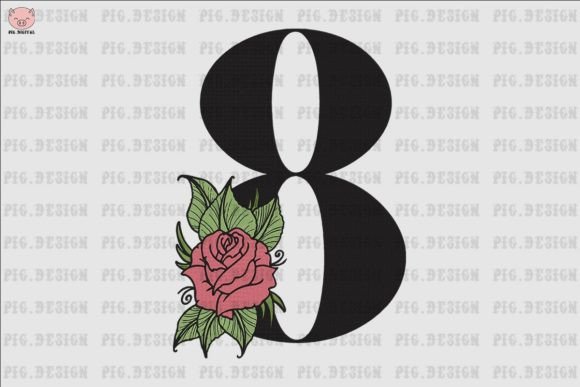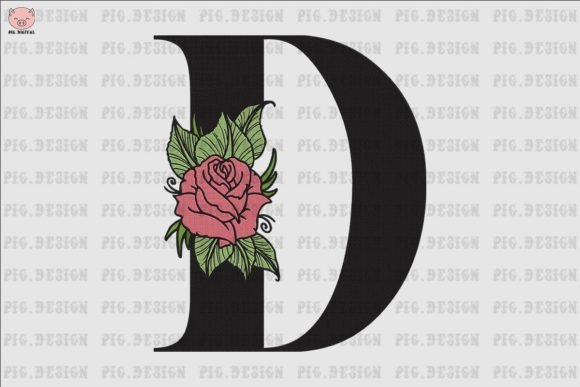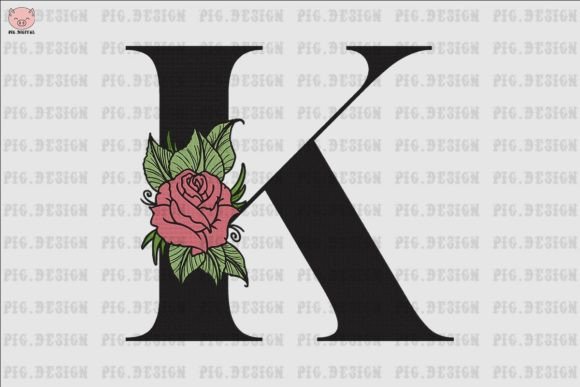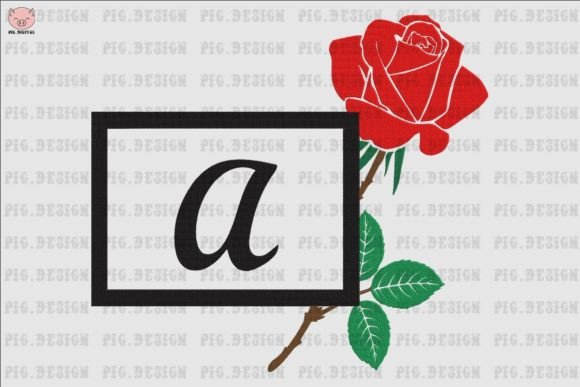
Rose Font H: A Designer’s Review for Personalized Gifts
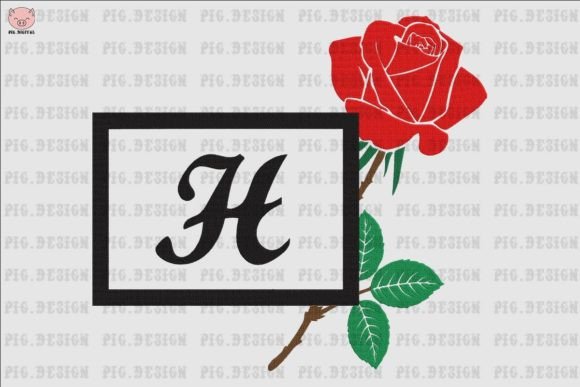
As an embroidery designer who manages a steady stream of custom orders, I am constantly evaluating new typefaces to ensure they meet the high standards my clients expect. When planning inventory for personalized gifts, the typography is just as important as the graphic elements. Recently, I tested Rose Font H to determine its viability for our upcoming product line. This machine embroidery design promises versatility, claiming to be the perfect way to decorate beautiful projects ranging from clothes to home decor and birthday gifts. After running several test stitches and evaluating the digitizing structure, here is my professional assessment for fellow Etsy sellers, gift shop owners, and crafters considering this font for their commercial or personal use.
First Impressions: Mood and Emotional Appeal
Upon loading the digital embroidery file into my software, the first thing that struck me about Rose Font H was its distinct emotional resonance. In the world of custom embroidery, we are not just selling stitched thread; we are selling sentiment. This font carries a romantic, vintage charm that feels inherently handmade rather than mass-produced. It strikes a delicate balance between elegant script and playful readability. For a small business owner or wedding gift designer, this mood is crucial. It does not feel stiff or overly formal, nor does it look childish. Instead, it evokes a sense of timeless sweetness that appeals directly to customers seeking meaningful keepsakes.
The detail level in the digitizing appears thoughtful. The curves flow naturally, suggesting that the original design was created with stitch direction in mind. This is vital for maintaining that "high-end" look on finished products. Whether you are creating nursery items or custom tote bags, the font communicates warmth and care, which significantly boosts the perceived value of the item before the customer even touches the fabric.
Ideal Applications for Baby and Wedding Markets
During my testing phase, I focused heavily on two primary demographics: baby embroidery and wedding gifts. These categories demand fonts that are legible yet decorative. Rose Font H performs exceptionally well in these niches. For baby blankets and nursery decor, the softness of the lettering complements pastel thread colors without overwhelming the delicate nature of infant gear. It is sweet enough for a newborn announcement blanket but structured enough to remain readable as the child grows.
For wedding keepsakes, such as embroidered towels, pillow covers, or bridal party robes, this font offers a sophisticated alternative to standard block letters. I found it particularly effective for monograms and short names on linen items. The style suggests tradition and romance, making it a strong contender for anniversary gifts or family heirlooms. Additionally, for those targeting the Back To School season, this font can soften the look of personalized backpacks or pencil cases, offering a boutique aesthetic that stands out against generic retail options.
Versatility Across Product Types
Beyond special occasions, Rose Font H shows promise for everyday personalized gift products. During my review, I visualized and tested applications for:
- Kitchen Textiles: Aprons and tea towels where a homely, welcoming vibe is desired.
- Home Decor: Throw pillow covers and wall hangings that require a touch of elegance.
- Accessories: Tote bags and denim jackets where the font needs to hold its own against casual fabrics.
- Craft Fair Products: Pre-made items like bookmarks or key fobs that need instant visual appeal to attract passersby.
For Etsy sellers and digital product sellers, this versatility means one embroidery file can serve multiple listing categories, maximizing your return on investment.
Technical Considerations and Fabric Limitations
While Rose Font H is charming, experienced embroiderers know that beauty must be backed by technical performance. There are specific scenarios where this design requires careful handling. Because of its decorative nature, small lettering can be risky. If you are stitching initials on a shirt cuff or a tag label, verify the minimum size recommendations in your file details. Intricate serifs and flourishes may get lost or cause thread breaks if scaled down too aggressively.
Fabric texture also plays a massive role in the success of this design. On thick terry cloth towels or plush blankets, the stitches may sink into the pile. In these cases, using a water-soluble topping is non-negotiable to keep the Rose Font H crisp and legible. Conversely, on stretchy baby clothes or knits, the stitch density must be managed carefully. Overly dense script can cause puckering or make the garment stiff. Always pair this font with the appropriate stabilizer—cut-away for stretchy fabrics and tear-away for stable wovens—to maintain the integrity of the handmade product.
I also advise caution when working with dark fabrics or high-contrast thread colors. Script fonts rely on smooth transitions; if the contrast is too harsh or the fabric texture interferes, the elegance can turn into visual noise. Always run a comparison mockup or a physical test stitch on dark versus light backgrounds before committing to a large production run.
Enhancing Giftability and Customer Trust
The choice of font directly influences buyer engagement and trust. When a customer views a printable mockup or a photo of a finished product, the typography signals quality. Rose Font H enhances giftability because it looks intentional and artistic. It avoids the "default computer font" trap that makes custom embroidery look cheap. For small shop products, using a distinctive typeface like this helps build brand recognition. Customers begin to associate that specific romantic script with your shop's quality.
Furthermore, the emotional connection fostered by this font can justify higher price points. A pillow cover embroidered with a generic font is a commodity; a pillow cover featuring the sweeping elegance of Rose Font H is a bespoke treasure. This distinction is critical for handmade sellers competing in saturated markets. The font elevates the item from a simple accessory to a cherished memory, which is ultimately what our customers are buying.
Practical Workflow Notes for Professionals
Before adding Rose Font H to your permanent library or accepting paid orders, adhere to this practical checklist to ensure consistent results:
- Test on Scrap Fabric: Never stitch directly on a customer’s item without a prior test. Verify how the design interacts with your specific machine tension and fabric choice.
- Check Thread Color Contrast: Ensure the script remains readable across all intended colorways. Pastel-on-pastel can be difficult to photograph for listings.
- Confirm Hoop Size: Script fonts often require wider hoops due to horizontal flow. Double-check your machine’s maximum embroidery area against the file dimensions.
- Review Stitch Density: If you plan to resize the design, recalculate density to prevent gaps or excessive bulk.
- Verify Licensing: As this is a machine embroidery design intended for commercial use, always confirm the specific license terms included with your purchase regarding selling finished products versus reselling the digital file.
- Photograph Texture: When listing items made with this font, use macro photography to show off the stitch quality. Buyers want to see that the intricate details held up during production.
Rose Font H is a valuable asset for any embroidery business focusing on personalized gifts. Its blend of romance and readability makes it suitable for everything from baby embroidery to wedding gifts and home decor. By respecting its technical requirements and leveraging its emotional appeal, you can create stunning, high-value products that resonate deeply with your clientele. Remember to check the specific file details provided with your purchase regarding formats and sizes, as these vary by digitizer. With proper testing and application, this font could become a signature element of your custom embroidery portfolio.