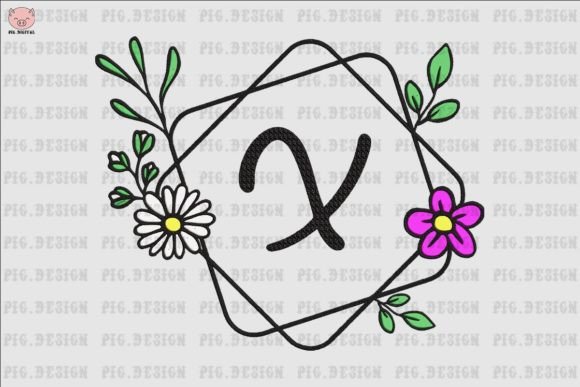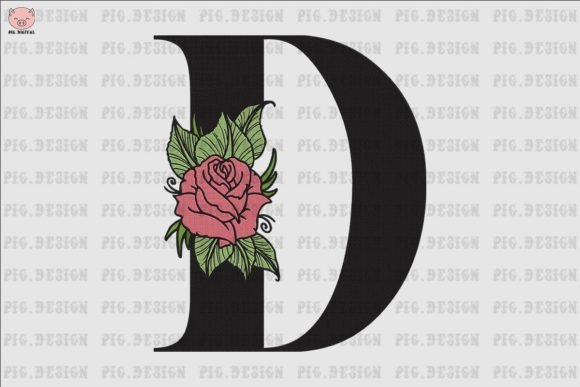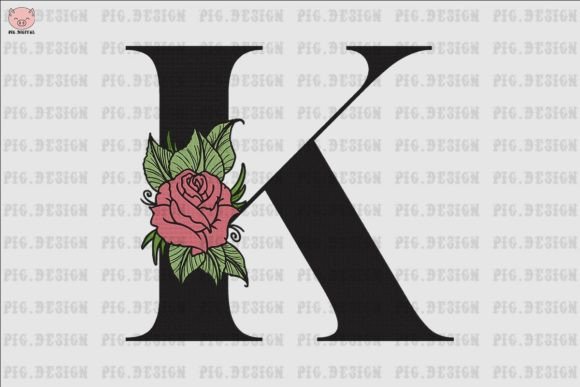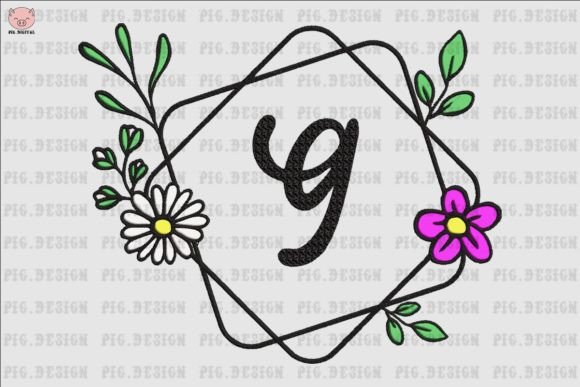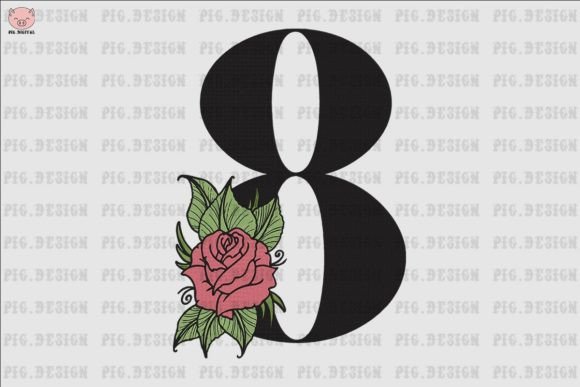
Flower Rose Font 8: A Designer Review for Business Merch
As a professional embroidery designer specializing in commercial branding and small business merchandise, I approach every new typeface with a critical eye. When evaluating Flower Rose Font 8 for potential use in branded assets, my primary concern is not just aesthetic appeal, but structural integrity during production. This machine embroidery design offers a distinct floral-infused typographic style that bridges the gap between decorative art and functional branding. For shop owners, Etsy sellers, and apparel decorators, understanding how this specific font translates from screen to fabric is essential for maintaining professional standards.
Visual Personality and Brand Identity Assessment
My first impression of Flower Rose Font 8 is that it carries a soft, artisanal elegance that feels inherently handmade. Unlike rigid block letters or standard serifs, this typeface integrates botanical elements directly into the letterforms. For a small business, this communicates warmth, creativity, and attention to detail. It does not read as corporate or sterile; instead, it suggests a brand that values craftsmanship and personal connection.
This visual personality makes it an exceptional candidate for specific niches. I can immediately envision this working beautifully for a local florist’s staff uniforms, a boutique bakery’s apron embroidery, or a pet brand looking for a friendly yet polished aesthetic. While categorized under Back To School, its application extends far beyond academic themes. It serves as a strong visual anchor for businesses wanting to soften their brand identity without sacrificing legibility. However, because the font is decorative, it establishes a specific tone. It may not be suitable for industrial safety gear or high-tech firms, but for lifestyle brands, creative studios, and gift shops, it aligns perfectly with customer expectations of quality and care.
Performance in Commercial Embroidery Applications
In real-world business scenarios, versatility is key. Flower Rose Font 8 performs best when treated as a feature element rather than utilitarian text. Here is how I evaluate its performance across common merchandise categories:
- Embroidered Patches: This font shines on woven or chenille patches where the floral details can be rendered clearly. It adds significant perceived value to custom patches used for retail sale or employee recognition.
- Apron Embroidery: For cafes and makers, aprons are prime branding real estate. The organic flow of Flower Rose Font 8 complements the drape of canvas or denim aprons better than stiff geometric fonts.
- Tote Bag Design: Canvas tote bags often suffer from generic branding. Using this font creates a premium, boutique feel that encourages customers to reuse the bag, extending brand visibility.
- Custom Apparel: On work shirts or polos, use this font for the business name on the back or sleeve, pairing it with a simpler sans-serif for contact information to maintain readability.
When producing small business merch, remember that this digital embroidery file is a design asset that requires intentional placement. It works exceptionally well as a chest logo accent or a centered statement piece. For cap embroidery, however, caution is required. The intricate floral details may distort on the curved surface of a hat front unless the design is sufficiently large. Always prioritize flat surfaces like tote bags, jacket backs, or pillow covers for the most accurate reproduction of the font’s delicate features.
Technical Considerations for Production Quality
A beautiful font on a computer screen can become a production nightmare if technical limitations are ignored. As an experienced digitizer, I must highlight where Flower Rose Font 8 requires careful handling to ensure the finished product meets commercial standards.
Stitch Density and Fabric Texture
The integrated floral elements likely increase the stitch density compared to standard text. High stitch density on lightweight fabrics can cause puckering or distortion. When planning apron embroidery or custom apparel on lighter materials, you must use appropriate stabilizer. A cut-away stabilizer is often necessary to support the weight of the decorative stitches and prevent the fabric from pulling. Conversely, on textured fabrics like terry cloth or fleece, the fine details of the roses may get lost. In these cases, consider adding a topping or increasing the spacing slightly to ensure the design remains crisp.
Sizing and Legibility Limits
Decorative fonts have a minimum size threshold. Before committing to a bulk order of embroidered patches or uniforms, test Flower Rose Font 8 at your intended smallest size. If the floral accents merge or the letter interiors close up, the design is too small. For tiny labels or tag applications, this font may not be viable. Reserve it for areas where you have at least 2-3 inches of horizontal space to allow the typography to breathe. Never sacrifice legibility for decoration; if customers cannot read your business name, the branding fails regardless of how pretty the stitches look.
Thread Colors and Contrast
This font relies on contrast to define its shape. Test it in black and white first to verify that the letterforms remain distinct without color assistance. When selecting thread colors for commercial embroidery, avoid low-contrast combinations like navy thread on black fabric. The subtle rose details need definition. Variegated threads can sometimes obscure the floral integration, so solid, high-sheen rayon or polyester threads often yield the most professional results for brand identity applications.
Strategic Implementation for Small Business Growth
Integrating Flower Rose Font 8 into your product line is about more than aesthetics; it is about building customer trust and recognition. Consistent use of this distinctive typeface across your handmade product tags, packaging accents, and staff wear creates a cohesive visual language. Customers begin to associate that specific floral-letter style with your brand’s quality.
For Etsy sellers and digital embroidery file buyers, offering merchandise featuring this font can differentiate your shop in a saturated market. Create printable mockups to show clients how the font looks on various items before stitching. This reduces waste and ensures client satisfaction. When presenting design assets to customers, explain that the font’s handcrafted appearance adds tangible value to their purchase, justifying a higher price point than generic printed alternatives.
Essential Pre-Production Checklist
Before running any commercial job with Flower Rose Font 8, complete this verification process:
- Verify Licensing: Confirm the commercial licensing terms included with the machine embroidery design. Ensure you have the right to use it on merchandise for sale or branded business assets.
- Check File Specifications: Review the provided hoop size, stitch count, and format compatibility. Do not assume the file fits your machine’s maximum field without measuring.
- Run a Physical Test: Never skip testing on the actual fabric you intend to use. Inspect spacing, registration, and stabilizer performance.
- Evaluate Washability: If using on uniforms or items requiring frequent laundering, wash-test a sample. Decorative fonts can degrade faster than block text if not properly stabilized.
- Compare Against Assets: Place this font beside your existing logo and marketing materials. Ensure it enhances rather than clashes with your established brand identity.
Flower Rose Font 8 is a valuable tool for embroiderers serving the boutique, hospitality, and creative sectors. By respecting its technical requirements and leveraging its unique charm strategically, you can elevate your custom apparel and branded merchandise from simple goods to premium brand experiences. Always let the quality of your execution match the beauty of the design.