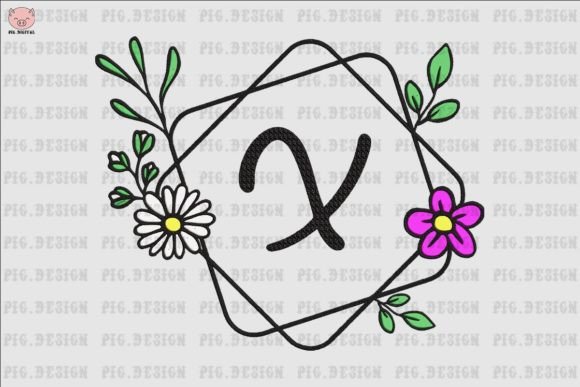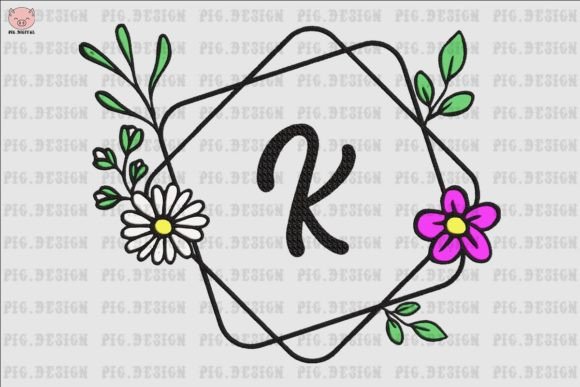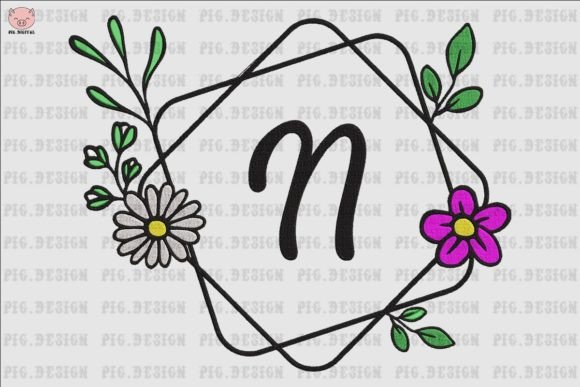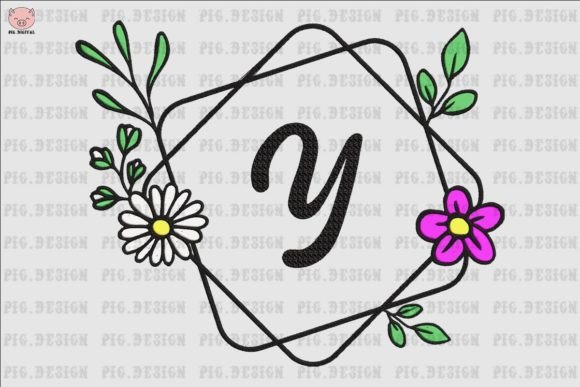
Flower Daisy Font G: A Designer’s Review
As an embroidery designer running a busy custom gift shop, I am constantly evaluating new digitized fonts to ensure they meet the high standards my customers expect. When planning inventory for the upcoming season, specifically looking at versatile options that bridge the gap between Back To School personalization and timeless nursery decor, I decided to test the Flower Daisy Font G. This machine embroidery design promises to be the perfect way to decorate beautiful projects, but how does it actually perform under the needle? After running several test stitches and envisioning real-world applications, here is my professional assessment of this floral alphabet for fellow Etsy sellers, crafters, and small business owners.
First Impressions: Mood and Emotional Appeal
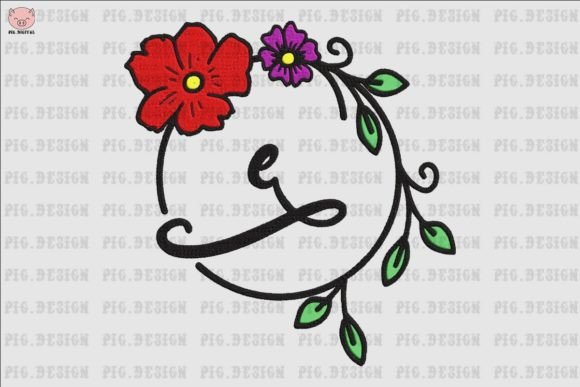
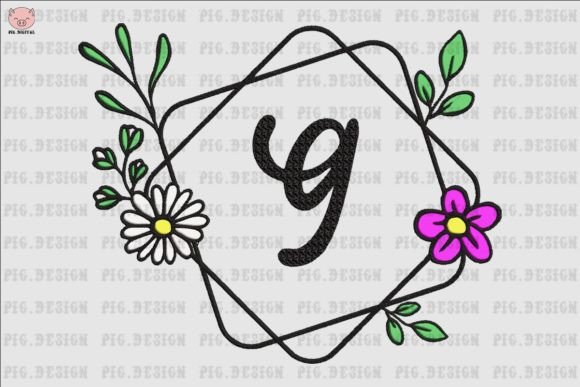
Upon loading the embroidery file into my software, the first thing that struck me was the inherent charm of Flower Daisy Font G. It does not feel stiff or overly mechanical; instead, it carries a sweet, handmade quality that is essential for personalized gifts. The daisy motifs integrated into the letterforms evoke a sense of nostalgia and warmth, making it immediately suitable for emotional keepsakes. For a gift shop owner, this "mood" is just as important as the stitch count. Customers are not just buying thread on fabric; they are buying a feeling. This font feels romantic yet playful, striking a balance that allows it to work for both a toddler’s birthday gift and a bride’s wedding keepsake. It avoids being too juvenile, which expands its marketability beyond just baby embroidery.
Real-World Application: From Nursery to Kitchen
In my shop, versatility is key to maintaining healthy profit margins. I tested Flower Daisy Font G across three distinct product categories to see where it shines brightest as a finished product.
Baby Embroidery and Nursery Decor
This is arguably the strongest use case for this design. I stitched a sample name onto a cotton muslin blanket, and the result was stunning. The floral details add a layer of perceived value that plain block letters simply cannot achieve. For Etsy sellers focusing on baby showers or christening gifts, this font creates an instant heirloom aesthetic. However, because it is decorative, I recommend using it for larger names or initials rather than tiny birth stats. It pairs beautifully with soft pastels and cream thread colors, enhancing the gentle nursery vibe.
Kitchen Linens and Home Decor
Moving away from the nursery, I tested this font on a flour sack towel and a linen pillow cover. Here, the Flower Daisy Font G transitions into a lovely cottage-core or farmhouse style. For custom embroidery businesses, kitchen linens are high-volume sellers, especially during holidays or housewarming seasons. The daisy elements act as built-in embellishments, saving you from having to purchase and align separate floral applique designs. On a pillow cover, the font reads as elegant and intentional, justifying a higher price point than standard monogramming.
Back To School and Tote Bags
While often associated with spring, this font has surprising utility for Back To School merchandise when styled correctly. On canvas tote bags or denim aprons, it offers a softer alternative to varsity lettering. For teachers or students who prefer a boho or nature-inspired aesthetic over traditional collegiate styles, this digital embroidery file provides a unique niche option. It works particularly well on natural-colored canvases where the organic shape of the flowers complements the fabric texture.
Technical Considerations and Fabric Limitations
As experienced embroiderers know, a design that looks perfect on screen can present challenges on the hoop. During my testing of Flower Daisy Font G, I identified specific scenarios where caution is required to maintain commercial embroidery quality.
- Textured Fabrics: The intricate petal details in this font can get lost on high-pile terry cloth or thick fleece. If you are stitching an embroidered towel, consider using a water-soluble topping to keep the stitches crisp. Without it, the daisies may sink into the loops, reducing legibility and visual impact.
- Stretchy Materials: When applying this to baby onesies or knitwear, the stitch density must be managed carefully. Floral fonts often have varying densities due to the decorative elements. Always use a high-quality cut-away stabilizer to prevent puckering. Test on scrap fabric first to ensure the registration holds up after washing.
- Small Lettering: This is not a font for 0.5-inch text. The daisy embellishments require space to breathe. Attempting to shrink this design too much will result in thread breaks and muddy details. Check your minimum size recommendations before committing to a production run.
- Dark Fabrics: While beautiful on white and cream, the delicate nature of the flowers may require a white underlay on dark fabrics to pop. Without proper contrast, the design can look flat. Always compare light and dark fabric mockups before listing a new color variant in your shop.
Impact on Giftability and Business Value
For small shop products and digital product sellers, the choice of font directly influences buyer engagement. Flower Daisy Font G excels in creating "stop-the-scroll" moments in product photography. The decorative nature of the letters makes for excellent close-up shots that highlight handmade quality. When a customer sees the detailed stitching in a listing photo, trust increases. They perceive the item as a premium, custom embroidery piece rather than mass-produced factory wear.
Furthermore, this font enhances the emotional connection of the gift. A personalized gift becomes significantly more meaningful when the typography matches the sentiment. For a wedding gift, the florals echo bridal bouquets; for a baby blanket, they suggest growth and gentleness. This alignment between design and emotion is what drives repeat business and positive reviews for handmade sellers.
Practical Notes for Production and Licensing
Before adding Flower Daisy Font G to your permanent library, there are several practical steps every professional should take. First, verify the commercial licensing terms included with your purchase. While many files allow for selling finished physical products, some restrict the resale of the digital embroidery file itself or limit the number of units you can produce. Clarifying this protects your business.
Next, confirm the hoop size requirements. Floral alphabets can sometimes be wider or taller than standard fonts due to the extending petals. Ensure your machine’s maximum embroidery area accommodates the full character set without requiring excessive re-hooping for longer names. Also, review the stitch density settings. If you find the design too dense for lightweight fabrics, use your editing software to reduce density slightly, but do so sparingly to avoid compromising the coverage of the floral fills.
Finally, create printable mockups and physical samples in various thread colors. Having a stitched-out sample card helps customers visualize the final result, bridging the gap between digital preview and tangible reality. Whether you are creating a custom order preview for a client or updating your Etsy listings, showing the Flower Daisy Font G in multiple contexts—from a rustic apron to a delicate handkerchief—demonstrates its range and encourages sales.
In summary, Flower Daisy Font G is a robust, emotionally resonant tool for the modern embroidery business. By respecting its technical limits and leveraging its innate charm, you can elevate your personalized gift offerings and delight customers seeking that perfect blend of nature and nostalgia.