Rose Font O: Craft Fair Embroidery Review
As an experienced embroidery designer preparing for a busy weekend craft fair, I approach every new machine embroidery design with a critical eye. My booth display needs to capture attention from ten feet away while holding up to close inspection by customers who value quality. When evaluating Rose Font O, my primary focus is versatility and production efficiency. This design presents itself as a romantic, decorative asset that bridges the gap between elegant home decor and personalized apparel. For Etsy sellers and boutique makers, this font offers a distinct aesthetic that feels premium without requiring excessive production time.
First Impressions and Aesthetic Value
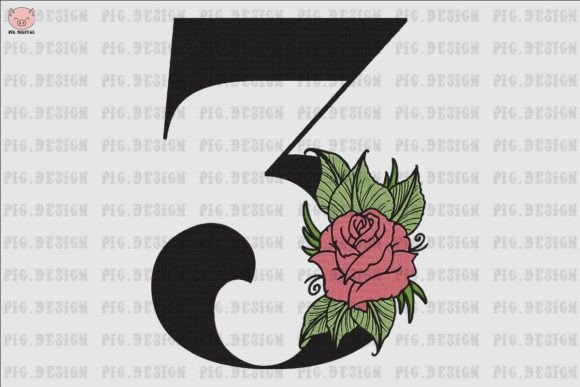
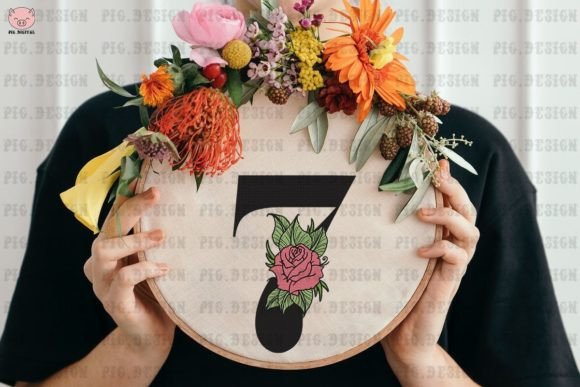
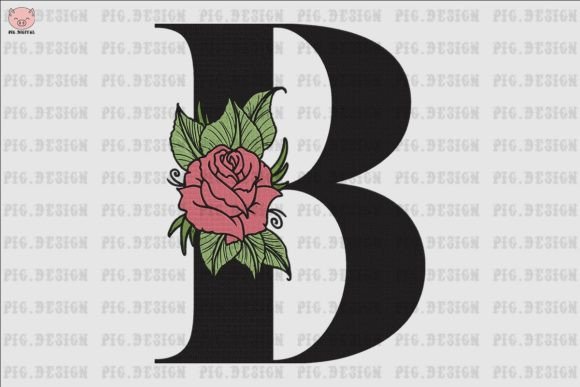
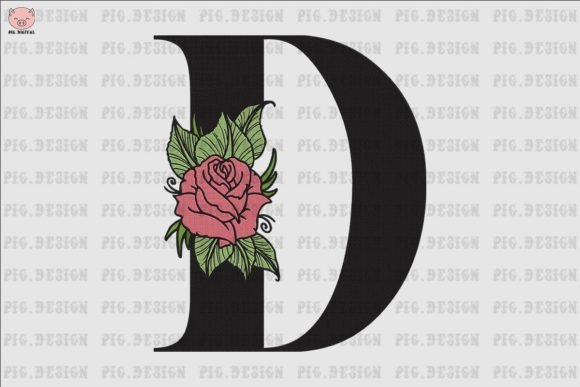
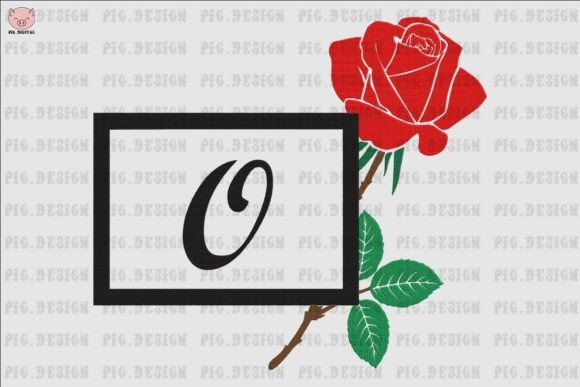
Upon loading the embroidery file, Rose Font O immediately communicates a soft, vintage elegance. It does not feel starkly modern or overly rustic; instead, it occupies a sweet spot of timeless femininity. The "Rose" designation suggests floral influences or serif details that add character to standard lettering. For a craft fair product lineup, this mood is essential. Customers at handmade markets are often looking for items that feel special and giftable. This font delivers that emotional connection instantly.
While categorized under Back To School, I view this design as far more versatile. Yes, it works beautifully for monogrammed backpacks or pencil cases, but its true selling power lies in year-round applications. The visual weight appears balanced, suggesting it will read clearly on both light and medium-weight fabrics. As a digital embroidery file, it promises to elevate simple blanks into high-value handmade products. The initial assessment confirms this is a "workhorse" decorative font—one that can be used repeatedly across different product lines without looking repetitive.
Best Selling Applications for Market Booths
Determining where to place Rose Font O in your inventory is crucial for maximizing sales. Based on the design’s likely structure and description, here is how I would deploy it for maximum return:
- Tote Bag Design: Canvas totes are craft fair staples. Rose Font O would shine as a large, centered monogram or a short phrase like "Market Day." The decorative nature of the font turns a utilitarian bag into a fashion statement.
- Tea Towel Embroidery: Kitchen linens require legibility mixed with charm. This font is ideal for family names or baking-themed quotes. The softness of the rose-style lettering complements the domestic function of the towel.
- Apron Embroidery: For chef aprons or gardening aprons, this font adds a touch of bespoke luxury. It signals to the buyer that this item was curated, not mass-produced.
- Birthday Gifts: The description highlights birthday gifts, and I agree. Personalized pillow covers or fabric pouches featuring a name in Rose Font O create an immediate emotional hook for shoppers buying for others.
- Embroidered Patch: If the stitch density allows, creating standalone patches with initials in this font can be a great low-cost add-on item at your booth.
Production Practicality and Batch Efficiency
For commercial embroidery businesses and small shop owners, time is money. A beautiful font is useless if it causes constant thread breaks or requires excessive trimming. Rose Font O appears designed with production in mind. Decorative fonts can sometimes be trap-heavy, but this specific style seems optimized for smooth running. When preparing for a market, I need design assets that I can batch hoop. This font likely allows for multiple placements within a single hoop size, enabling you to embroider three tea towels or two tote bags simultaneously.
Photographing finished items for online listings is equally important. Fonts with intricate details can sometimes look muddy in photos. However, the distinct shapes in Rose Font O should photograph well, providing clear contrast against natural linen or cotton backgrounds. For printable mockups, ensure you use high-resolution captures so potential buyers can see the texture of the stitches. This transparency builds trust and reduces returns.
Critical Use Notes and Fabric Considerations
Even the best embroidery file has limitations. As a professional, I must highlight areas where caution is required to protect your brand reputation:
- Fabric Texture: Avoid using Rose Font O on highly textured terry cloth or thick fleece unless you use a heavy water-soluble topping. The delicate serifs or floral accents could get lost in the pile.
- Small Lettering: While perfect for names, test the minimum size before committing to a production run. Decorative fonts often have thinner connecting stitches that may break or become illegible below 0.5 inches.
- Curved Surfaces: If applying this to caps, verify the digitizing includes proper compensation for curvature. Flat fonts can distort on structured hats.
- Stitch Density: Check the density settings for dark fabrics. If the design is too dense, it may cause puckering on lightweight quilting cotton. Conversely, if too sparse, dark fabric might show through the stitches.
- Thread Colors: This font relies on shape definition. Use matte or satin threads rather than metallics for the main text to ensure readability. Save metallics for accent elements only.
Designer Checklist Before Production
Before stitching out your first finished product for sale, follow this professional protocol. Never assume a digital file is perfect for every substrate.
- Test Stitch: Always run a sample on scrap fabric identical to your final product. Check for registration issues between the decorative elements and the base letters.
- Stabilizer Selection: Match your stabilizer to the fabric weight. Cut-away for knits and tote bags; tear-away for stable woven cottons. Proper stabilization is non-negotiable for crisp lettering.
- Hoop Size Verification: Confirm the dimensions fit your machine’s capabilities. Do not resize decorative fonts by more than 10-15% to avoid altering stitch integrity.
- Contrast Check: View your thread color choice against the fabric in natural lighting. Booth lighting can be deceptive; ensure the design pops in daylight.
- Licensing Confirmation: Verify the commercial license terms included with Rose Font O. Ensure you are permitted to sell physical embroidered goods and check if there are limits on quantity or digital redistribution.
Enhancing Brand Consistency and Buyer Engagement
Using Rose Font O consistently across your product line creates a cohesive brand identity. When customers walk past your booth, they should recognize your work before reading your sign. This font serves as a visual signature. Whether applied to a tote bag design or a delicate handkerchief, the consistent typography ties disparate items together into a collection.
Furthermore, offering personalization with a recognizable, beautiful font increases perceived value. Shoppers are willing to pay a premium for custom work that looks professionally executed. By mastering the nuances of this machine embroidery design, you transform a simple alphabet into a powerful sales tool. Remember to inspect every finished product for loose threads or bobbin show-through before pricing. Quality control is what separates hobbyists from successful business owners.
In summary, Rose Font O is a promising addition to any embroidery entrepreneur's library. Its blend of elegance and practicality makes it suitable for everything from Back To School gear to wedding gifts. By respecting the technical requirements and leveraging its aesthetic strengths, you can create stunning, profitable inventory that stands out in the crowded handmade marketplace. Always prioritize testing and quality assurance to ensure your small shop product lineup remains top-tier.