Numbers 0 to 9: A Designer Review for Apparel
As an embroidery designer constantly curating collections for boutique apparel, finding versatile typography is often more challenging than sourcing complex illustrations. When preparing a new line of sweatshirts and hoodies, the ability to personalize garments with clean, legible, and aesthetically pleasing numerals is non-negotiable. I recently evaluated the Numbers 0 to 9 set available on Creative Fabrica specifically with small business production in mind. This review breaks down how this machine embroidery design performs when applied to real-world apparel projects, from neutral fleece basics to custom varsity-style pieces.
First Impressions: Visual Personality and Stitch Quality
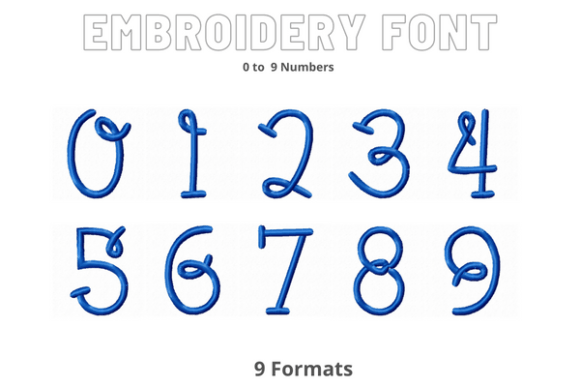
Upon opening the digital embroidery file, the immediate impression of Numbers 0 to 9 is one of functional clarity balanced with decorative charm. For a boutique brand, you want numbers that do not look like generic clip art; they need to possess enough character to stand alone as a design element while remaining subtle enough to pair with other graphics. This set strikes that balance effectively. The visual mood leans toward a classic, collegiate aesthetic that feels premium rather than crafty. It avoids the overly playful or childish look that can sometimes plague back-to-school embroidery assets, making it suitable for adult-sized oversized garments and unisex streetwear.
The stitch structure appears optimized for fabric texture. In my assessment, the density seems appropriate for mid-weight materials without causing excessive puckering. This is critical when designing for Etsy sellers who cannot afford high rejection rates due to poor digitizing. The numbers have a solid fill that reads well from a distance in lifestyle product photos, yet retains enough definition for close-up detail shots on social media. Whether you are aiming for a rustic vintage vibe or a clean modern minimalism, these numerals provide a reliable foundation for custom apparel.
Performance Across Sweatshirt and Hoodie Projects
The true test of any embroidery font is its versatility across different garment types and placements. When planning a hoodie collection, I tested the application of Numbers 0 to 9 in several key areas. For chest placement on crewneck sweatshirts, the scale works beautifully for birth years, graduation dates, or jersey-style numbering. The proportions allow for high visibility without overwhelming the wearer’s frame. On pastel hoodies, the design maintains crisp edges, preventing the "sinking" effect that often occurs when stitching lighter colors onto plush fleece.
For sleeve accents and cuff personalization, the individual digit files offer necessary flexibility. Being able to isolate specific numbers means you can adjust spacing manually to accommodate curved surfaces or ribbed fabric. This is particularly useful for creating matching sets or couple’s merchandise where sizing varies. I also envision these numbers performing well on tote bags and denim jackets. The stitch type interacts favorably with the twill weave of denim and the canvas grain of bags, resulting in a professional finish that enhances the perceived value of the handmade product.
Strategic Placement for Dark and Textured Fabrics
Apparel decorators know that dark garments present unique challenges. Numbers 0 to 9 holds up well on black and navy fabrics, provided you select thread colors with sufficient contrast. Metallic or variegated threads can elevate the design for seasonal collections, but standard polyester or rayon threads in white or cream offer that timeless varsity look. However, caution is required when working with highly textured fabrics like terry cloth or thick sherpa. While the design is robust, the fabric texture may compete with the stitch definition. In these cases, using a water-soluble topping is essential to ensure the numbers remain sharp and legible.
Elevating Brand Identity and Commercial Value
For creative entrepreneurs and small shop owners, consistency is the cornerstone of brand identity. Using a cohesive numeral set like Numbers 0 to 9 across your entire catalog creates visual harmony that buyers subconsciously recognize. When a customer sees your printable mockup on Instagram and then receives the finished product, the accuracy of the embroidery builds trust. This specific design contributes to that professional presentation because it lacks the jagged edges or uneven spacing found in lower-quality freebies.
From a commercial embroidery perspective, this asset supports scalability. If you are running an Etsy shop focused on personalized gifts, having a go-to number set streamlines your workflow. You spend less time fixing digitizing errors and more time fulfilling orders. Furthermore, because this falls under the Back To School category, it has natural seasonal relevance. You can easily pivot from selling graduation hoodies in spring to football mom sweatshirts in autumn using the same base asset. This adaptability maximizes your return on investment and keeps your shop relevant year-round.
Critical Considerations for Production and Licensing
While Numbers 0 to 9 is a high-quality resource, professional results depend on proper execution. Before launching a full collection, always conduct a sew-out test on scrap fabric that matches your production garment. Stitch density behaves differently on a cotton t-shirt versus a poly-blend hoodie. Verify that your stabilizer choice aligns with the fabric weight; a cut-away stabilizer is generally recommended for knit apparel to prevent distortion over time. Check your hoop size requirements carefully to ensure you have adequate margin around the digits, especially when combining multiple numbers for dates or scores.
It is also vital to review the specific licensing terms on the Creative Fabrica product page before selling finished apparel. Confirm whether the license covers commercial use for physical products and if there are any limitations on production volume. Additionally, double-check the included file formats to ensure compatibility with your specific embroidery machine. Never assume universal compatibility; verifying PES, DST, JEF, or EXP availability beforehand prevents production delays. Finally, inspect the stitch count for each number to estimate production time accurately. Knowing exactly how many stitches a "1" takes versus an "8" helps you price your custom apparel correctly and manage customer expectations regarding turnaround times.
Designer Notes for Best Results
- Test on Similar Fabric: Always run a sample on the exact material you intend to sell, as fleece and French terry react differently to needle penetration.
- Stabilizer Selection: Use fusible mesh or no-show cut-away for lightweight knits to prevent shadowing, and heavy cut-away for oversized sweatshirts.
- Thread Contrast: For dark garments, consider a thicker topstitch thread or doubling the underlay to ensure the numbers pop against the background.
- Spacing Adjustments: Do not rely solely on automatic kerning; manually adjust space between digits based on the garment curve and desired aesthetic.
- Mockup Accuracy: When creating printable mockups for listings, use actual stitch-out photos rather than digital renders whenever possible to set accurate buyer expectations.
- License Verification: Re-read the Creative Fabrica license specifically for commercial embroidery products to ensure your business model is compliant.
Incorporating Numbers 0 to 9 into your design library offers a practical solution for apparel personalization. It bridges the gap between utility and style, allowing handmade business owners to produce professional-grade merchandise efficiently. By respecting the technical requirements of machine embroidery and leveraging the design's versatile aesthetic, you can create a cohesive, profitable collection that resonates with customers seeking quality custom apparel.