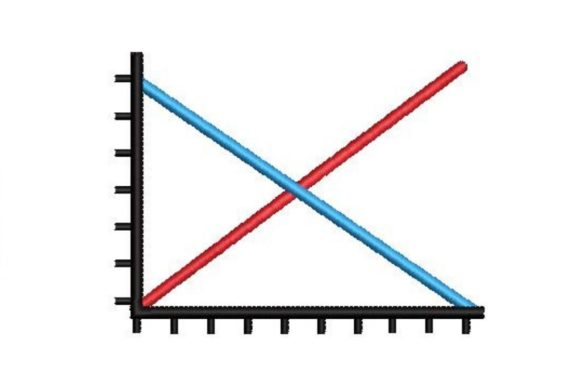
Intersecting Line Graphic: Smart Embroidery
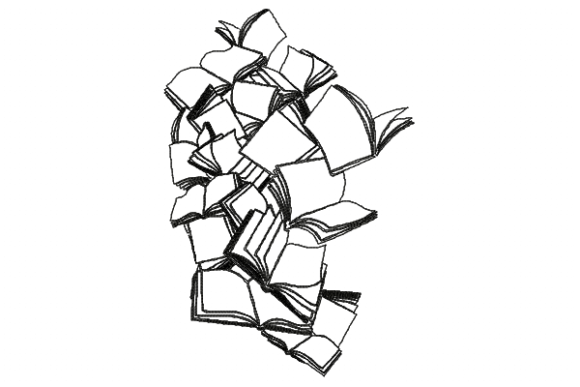
As an embroidery designer who has stitched out thousands of files for custom orders, I approach every new design with a critical eye. When browsing Creative Fabrica embroidery collections, I look for more than just a pretty preview; I look for stitch integrity, versatility, and that intangible quality that turns a digital file into a cherished keepsake. The Intersecting Line Graphic immediately caught my attention as a unique contender in the Back To School category. While many designs in this niche rely on cartoonish apples or pencils, this machine embroidery design offers something far more sophisticated. It speaks to the "little genius" mentioned in the product description, but through a lens of modern artistry rather than cliché.
First Impressions: Modern Charm Meets Intellectual Whimsy
My first impression of the Intersecting Line Graphic was one of visual softness balanced by geometric precision. In the world of personalized gifts, we often see designs that are either too rigid or too messy. This design strikes a beautiful middle ground. It feels playful yet elegant, making it suitable for a wide age range. For a baby embroidery project, the intersecting lines can represent neural connections or growth, rendered in soft pastels. For an older child or even adult stationery lover, those same lines read as architectural or mathematical art when stitched in high-contrast monochrome.
The handmade charm here lies in the abstraction. Unlike a literal character face that dictates a specific emotion, these lines allow the recipient to project their own meaning onto the finished product. This emotional flexibility is gold for Etsy sellers and small shop product creators. It allows you to market the same digital embroidery file as a nursery decor piece, a STEM education gift, or a minimalist home accessory simply by changing your thread colors and fabric base.
Real-World Application: From Nursery to Study
When evaluating a design for commercial embroidery or personal gifting, I always imagine three distinct end-use scenarios. For the Intersecting Line Graphic, the versatility is impressive.
- Baby Blanket Embroidery: Imagine this design centered on a plush minky blanket. The linear nature of the graphic means it won't create a stiff, bulletproof patch that irritates delicate skin. Using variegated threads could make the intersections shimmer, creating a sensory experience for a developing mind.
- Educational Tote Bags: For a back-to-school gift, this design works beautifully on canvas tote bags. It signals intelligence without being juvenile. As an Etsy seller, you could pair this with a custom name in a clean sans-serif font to create a premium teacher gift or student supply bag.
- Custom Home Decor: Beyond children's items, this graphic translates well to pillow covers and wall hangings. Stitched in metallic or matte black thread on linen, it becomes a piece of textile art for a home office or library nook.
For those creating wedding gifts or family keepsakes, think outside the box. While not a traditional bridal motif, the concept of "intersecting lines" is a profound metaphor for two lives joining. Stitched on a wedding towel or ceremonial handkerchief in silver and white, it transforms from a school-themed graphic into a symbol of unity and shared future.
Technical Considerations for Professional Results
A pretty screen image does not guarantee a smooth stitch-out. As professionals, we must consider how the Intersecting Line Graphic will behave under the needle. Line work can be deceptive; if the stitch density is too high, the fabric may pucker. If it is too low, the lines may look sparse after washing. Before committing this design to a customer’s expensive garment, you must perform a test stitch-out.
Pay close attention to your stabilizer choice. Because this design relies on clean, crisp lines, any fabric distortion will be immediately visible. For stretchy baby clothes or knit fabrics, use a cut-away stabilizer to maintain the geometry of the intersections. For textured towels or thick blankets, consider a water-soluble topping to prevent the stitches from sinking into the pile. The goal is to keep the lines floating smoothly on the surface.
Thread color contrast is another vital factor. Since the design is abstract, the definition comes entirely from the relationship between the thread and the fabric. Dark thread on dark fabric will lose the intricate details of the intersections. I recommend testing high-contrast combinations first. Also, verify the hoop size requirements in the product details on Creative Fabrica before purchasing. Ensure your machine can accommodate the dimensions without needing to split the design, which can disrupt the flow of continuous line work.
Building Customer Trust Through Quality Execution
In the competitive landscape of handmade products, perceived quality drives sales. A poorly executed embroidery file looks amateurish, regardless of the design's potential. The Intersecting Line Graphic, when stitched correctly, elevates the perceived value of your work. Clean, consistent lines signal to the buyer that you understand tension, stabilization, and fabric behavior.
This attention to detail directly impacts buyer engagement. When photographing your finished product for an Etsy listing or social media, ensure the lighting highlights the texture of the stitches. Flat, washed-out photos hide the dimensionality of embroidery. Capture the sheen of the thread at the intersection points to showcase the depth. This tactile visual cue helps online shoppers understand they are buying a tangible, handcrafted item, not a printed decal.
Furthermore, offering a personalized gift with such a thoughtful, non-generic design builds emotional value. Customers trust makers who curate unique aesthetics. By choosing a design that celebrates intelligence and creativity through art rather than slogans, you position your brand as sophisticated and intentional. This is particularly important for small business owners looking to differentiate themselves from mass-produced merchandise.
Essential Checklist Before You Stitch
To ensure your success with the Intersecting Line Graphic, follow this practical workflow:
- Review Product Details: Always check the specific file formats, stitch count, and hoop size listed on Creative Fabrica. Do not assume compatibility with your specific machine brand without verification.
- Check Licensing: If you plan to sell physical items made with this design, confirm the commercial license terms. Understanding your rights protects your business and respects the digitizer.
- Create Printable Mockups: Before stitching for a client, use a mockup to show them how the intersecting lines will look on their chosen item. This manages expectations regarding scale and placement.
- Test on Similar Fabric: Never test on muslin if the final product is denim. Fabric texture drastically changes how line graphics render. Adjust tension and density based on your test results.
- Evaluate Small Details: After your test stitch-out, inspect the tightest corners and thinnest lines. If threads are breaking or looping, adjust your machine speed or needle size before touching the final garment.
The Intersecting Line Graphic represents a wonderful opportunity to blend educational themes with high-end embroidery aesthetics. Whether you are crafting a baby blanket for a newborn prodigy, a tote bag for a dedicated student, or a piece of modern textile art, this design offers the structural elegance necessary for professional results. By approaching it with technical care and creative vision, you can transform this digital embroidery file into a meaningful, high-quality product that delights customers and celebrates the joy of learning.